How to Write a Press Release for a New Product

A press release for a new product should explain what is launching, who it helps, and why the announcement matters now. Start with the news, support it with specific details, and tell readers when and where the product becomes available.
Product teams sometimes lead with technical terminology, list every feature, or describe a routine launch as revolutionary. Readers need a simpler explanation: what problem does this product address, and what makes its arrival worth noticing? This guide walks through the writing process, from choosing an angle to approving the final draft. You will find a practical structure, a feature-to-benefit comparison, a reusable template, and a checklist to help you prepare a clear announcement for your company newsroom, media outreach, or distribution service.
What Is a Press Release for a New Product?
A product launch press release is an official company announcement introducing a product to journalists, customers, partners, and other interested readers.
Unlike a sales page, it focuses on a specific development. It should identify the product, explain its purpose, and confirm availability. It can also include pricing, supporting evidence, approved quotes, and a link to further information.
Publication does not automatically mean independent media coverage. A company announcement remains company-produced information, even when a distribution network republishes it.
1. Find the News Angle Before Writing
The strongest press release for a new product begins with a relevant change for a defined audience. “We built something new” is a starting point, but it does not explain why anyone should pay attention.
Look for a clear angle:
- A product that addresses a documented customer problem.
- A tool becoming available to a previously underserved audience.
- A meaningful improvement supported by testing.
- A new option entering a specific market.
- A launch tied to a relevant industry development.
Write one sentence describing the news without adjectives such as “amazing” or “groundbreaking.” If the sentence still explains a worthwhile development, you probably have a usable angle.
Avoid claiming your product is the first, fastest, or best unless you can substantiate the comparison and define its scope.
2. Write the Headline and Opening Paragraph

A clear headline names the company or product and states the development.
Hypothetical example: “ExampleCo introduces appointment software for independent repair shops.”
Open Your Press Release for a New Product With Facts
The opening should answer the essential questions: who is announcing what, when it becomes available, where readers can access it, and why it matters.
For example: “ExampleCo today introduced ServiceDesk, an appointment platform for independent repair shops, with online booking and a shared staff calendar. The software will be available to UK businesses from 15 March [year].”
This is an illustrative example, not a real launch. Replace every detail with approved information.
3. Explain Benefits With Supporting Evidence
The body of your press release for a new product should connect useful features to practical outcomes. Choose the few details that explain the product’s purpose instead of copying a complete specification sheet.
| Product feature | Reader-focused explanation | Evidence to prepare |
|---|---|---|
| Shared appointment calendar | Staff can view bookings in one place | Product screenshots or demonstration |
| Automated reminders | Customers receive scheduled appointment messages | Supported channels and timing settings |
| Offline access | Selected functions remain available without a connection | Exact capabilities and limitations |
| Reusable packaging | Buyers can reuse the container after purchase | Materials and documented reuse instructions |
Distinguish intended benefits from measured results. “Designed to reduce manual entry” describes a purpose. “Reduces administration by 40%” requires credible evidence, including how the figure was measured.
For research or testing claims, identify the source, sample, conditions, and relevant limitations. Do not imply that a small internal trial guarantees the same results for every customer.
4. Add a Useful Quote and Launch Details
A quote should explain a decision, a customer need, or the thinking behind the product.
An illustrative quote might read: “Repair shop owners told us that bookings were spread across phone messages and paper diaries. We built a shared calendar so teams could see the day’s appointments together.”
Use a real spokesperson’s approved words in the published version. Never invent customer endorsements, attribute statements without permission, or present a drafted quote as an actual interview.
Your press release for a new product should also confirm:
- Availability: Launch date, markets, and supported platforms.
- Pricing: Currency, billing period, and relevant conditions, when disclosed.
- Access: Purchase page, demo booking, download, or waitlist.
- Limitations: Beta status, compatibility, or restricted availability.
- Media contact: A named person and monitored email address.
Close with a short company boilerplate that explains what the business does.
5. Prepare Product Images and a Media Kit
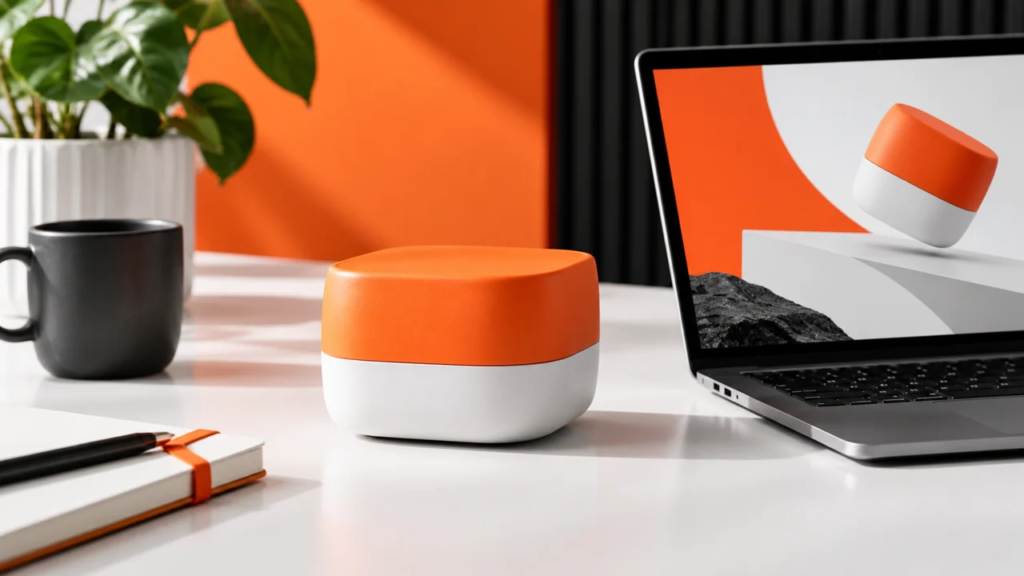
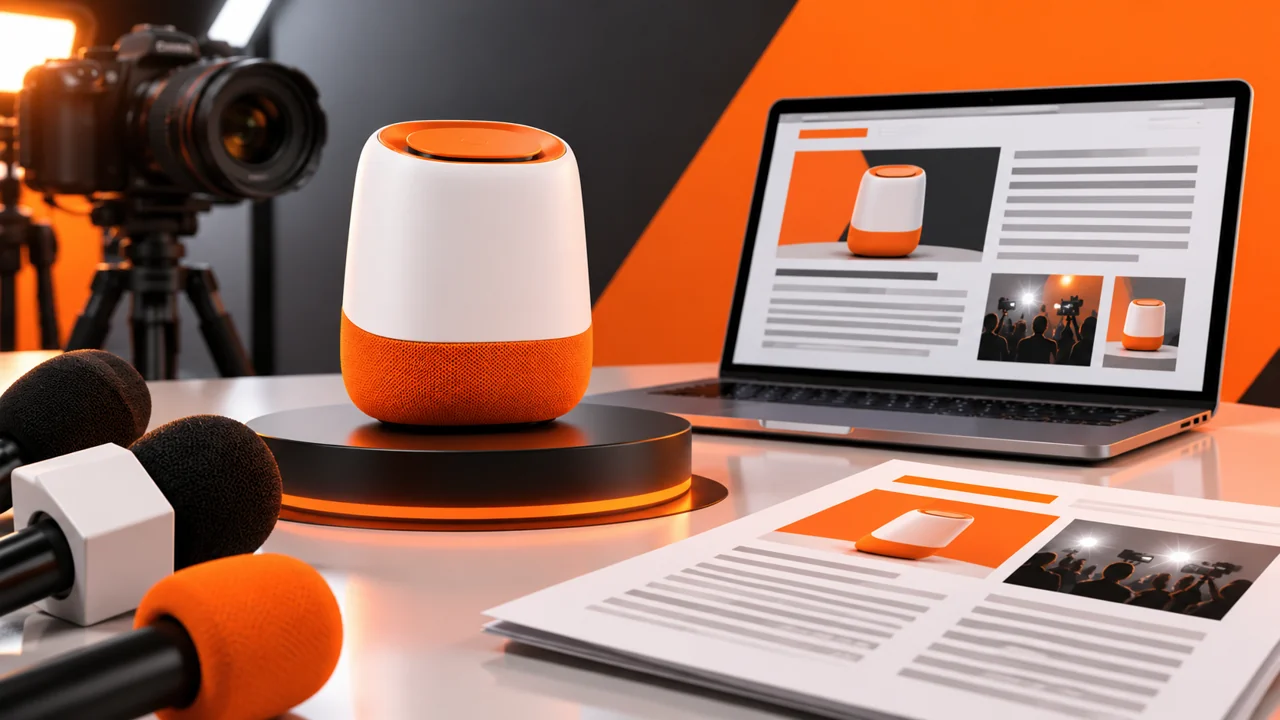
Images should help readers understand the product. Useful options include a clear product photograph, a screenshot showing an important function, or an image demonstrating the product in use.
Provide descriptive filenames, accurate captions, and permission information. For software, remove customer data and confidential details from screenshots. For physical products, show the actual item rather than an illustration that could misrepresent its appearance.
Keep high-resolution originals available for journalists. Separately compress website images to appropriate dimensions and file sizes so the announcement loads efficiently.
A simple media kit can contain product images, a fact sheet, spokesperson details, and the approved release.
6. Use This Product Launch Press Release Template
Adapt this structure for your press release for a new product.
FOR IMMEDIATE RELEASE
[Company] introduces [Product] for [Audience]
[City, Country] — [Date]: [Company] announced [Product], a [product category] designed to help [audience] [specific purpose]. It becomes available on [date] through [channel or website].
[Explain the customer problem and why this launch is relevant. Include one or two verified details that support the announcement.]
Key capabilities include:
- [Feature and practical benefit.]
- [Feature and practical benefit.]
- [Feature and practical benefit.]
“[Approved quote offering context or explaining a product decision],” said [Full Name], [Job Title] at [Company].
[State pricing, availability, relevant restrictions, and how readers can learn more.]
About [Company]
[Brief factual company description.]
Media contact: [Name], [Role], [Email], [Phone if appropriate].
7. Edit for Accuracy and Natural SEO

Before publishing a press release for a new product, check the facts against the product page and launch plan. Assign one person responsibility for final approval so conflicting versions do not circulate.
Use this final checklist:
- The headline accurately describes the announcement.
- Names, dates, prices, and links are correct.
- Claims have evidence and necessary qualifications.
- Quotes and images have approval.
- The product page matches the release.
- A contact can respond to media questions.
For search visibility, use descriptive language that matches the product category and audience. Google’s people-first guidance prioritizes useful, reliable content, while its spam policies address unnatural keyword repetition. There is no required keyword density that guarantees rankings.
If distribution involves paid links, publishers should qualify those links appropriately. Google recommends rel=”sponsored”; nofollow is also acceptable. Focus on informing readers and reaching relevant audiences rather than promising ranking gains.
Frequently Asked Questions
How Long Should a Product Launch Announcement Be?
Around 300–500 words is a useful starting point, though publisher requirements vary. Include enough detail to explain the news without repeating your product brochure.
When Should I Send the Announcement to Journalists?
Coordinate outreach with confirmed availability and media deadlines. For advance access, ask whether a journalist accepts an embargo and obtain agreement before sharing confidential information.
Should the Release Include Product Pricing Details?
Include approved pricing when it helps readers assess the product. Specify currency and billing terms. If pricing is not public, explain where interested readers can request details.
Can I Announce a Product That Is Still in Beta Testing?
Yes, provided you clearly state its beta status, who can access it, and any important restrictions. Do not describe a limited test as a full public launch.
Does a Press Release Guarantee Product Media Coverage?
No. A release provides information; editors decide whether to report on it. Paid publication and independent coverage are different outcomes and should be described accurately.
Conclusion
A useful press release for a new product makes the announcement easy to understand and verify. Lead with a specific development, explain the audience and practical benefits, and support important claims with evidence. Add an approved quote, complete availability details, and images that accurately represent the product. Before distribution, check every fact against the live product page and make sure someone can answer follow-up questions. You do not need inflated promises or repetitive keywords to make a launch sound worthwhile. A clear account of what is new, why it matters, and how readers can access it gives your announcement a stronger foundation for relevant attention.