FR Meaning in Chat: What “For Real” Means and How to Reply

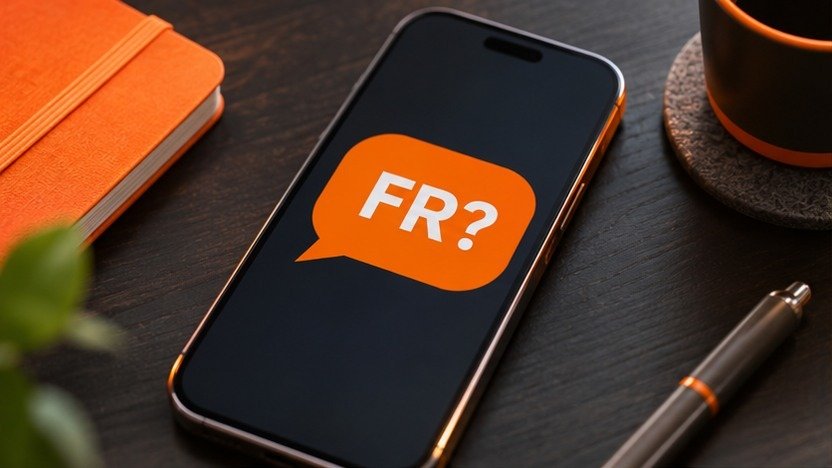
The FR meaning in chat is “for real.” A friend who replies “fr” to your complaint about the bus probably means “I agree.” A friend who sends “fr?” after you say the bus caught fire is asking whether it actually happened. The letters stay the same. The punctuation and the previous message tell you how to read them.
That distinction helps when you’re reading a WhatsApp group, an Instagram comment, or a gaming chat where the conversation moves fast. This guide explains how the abbreviation works, why people write “frfr,” and when a plain answer is better than a slang reply.
FR meaning in chat at a glance
Dictionary.com lists “for real” as one meaning of FR. Merriam-Webster describes the full phrase as informal, with meanings that include being serious or genuine. In a message, try replacing the abbreviation with “really,” “seriously,” or “exactly.” The version that sounds most natural usually tells you what the sender is doing.
| Form | How it usually reads | Example |
| fr | I agree, or seriously | “That walk took forever fr.” |
| fr? | Really? Is that confirmed? | “You got the last seat, fr?” |
| frfr / fr fr | For real, with extra emphasis | “I’d book that place again frfr.” |
| fr tho | But seriously | “Fr tho, did you get home okay?” |
The same short reply can also be playful. If someone spends ten minutes choosing a snack and then writes “big life decision fr,” the disagreement between the tiny decision and the dramatic wording is part of the joke. Read the sentence as a whole before deciding whether someone is being literal. When a screenshot cuts off earlier replies, leave room for more than one reasonable reading.
Three ways people use FR slang
FR meaning in chat when someone agrees
A standalone “fr” often works like a nod. Say you tell your friend, “They should have kept the original ending,” and they reply “fr.” They’re likely backing your opinion. If the earlier message contained several claims, the short reply may leave you guessing which one they agree with. Ask about that point if it matters to the conversation.
When FR emphasizes a statement
At the end of a sentence, the abbreviation often adds weight to what someone just said. “I’d wear those shoes every day fr” sounds like a sincere compliment. “I’m done arguing about it fr” can sound firmer or more frustrated. The emphasis is similar in both sentences, but the feeling comes from the rest of the message.
When “fr?” asks for confirmation
A question mark turns the expression into “Really?” or “Are you serious?” If you say, “We got the Saturday slot,” and your teammate replies “fr?”, answer the underlying question. “Yes, they confirmed it this morning” gives them more than an exchange of abbreviations. In a casual chat, someone may leave out punctuation, so a bare “fr” can still be a question if it follows surprising news.
What FR means on Instagram, WhatsApp, and other apps
The basic FR meaning in chat carries across platforms. What changes is the context you can see. A private message gives you the conversation that led to it. A comment may refer to an earlier reply, a line in the video, or a running joke among followers.
The meaning of FR in Instagram comments and DMs
Under a Reel about late trains, “fr” often means the viewer relates to the complaint. In a direct message, “you made that fr?” asks whether the person really created what they shared. If you see FR in a profile’s language or location information, look at the adjacent labels. It may be shorthand for French or France in that setting.
FR meaning in WhatsApp chats and group messages
A WhatsApp reply that says “fr?” after “The meeting moved to Thursday” usually asks you to confirm the change. An “fr” under “We need a quieter place next time” probably signals agreement. If the group has several conversations going at once, check the quoted message before you interpret or answer the reply.
- On TikTok, “the second verse is the best part fr” emphasizes a viewer’s opinion about a clip.
- On Snapchat, “fr?” after a friend says they’re already outside can signal surprise or double-check their arrival.
- In Discord or gaming chat, “that round was close fr” stresses how narrowly it ended.

FR FR meaning in chat and why people write FRFR
“FR FR” and “FRFR” mean “for real, for real.” The repetition adds emphasis. “I’d go back there frfr” is stronger than “I’d go back there fr,” and a standalone “frfr” can show enthusiastic agreement. Spacing typically makes little difference. Someone might choose the version that matches the way their group types.
How FR meaning in chat changes with “tho” or “no cap”
“FR tho” means “for real, though.” It can bring the conversation back to a serious point after a joke. “FR tho, are you okay?” signals that the speaker genuinely wants an answer. “FR no cap” pairs two informal ways to claim sincerity. The combination often sounds emphatic or playful, depending on who says it and why.
The emphasis in FR overlaps with other slang, but each expression works a little differently. “TBH” means “to be honest” and often introduces an opinion. “NGL” means “not gonna lie” and may introduce an admission, such as “NGL, I liked the first version better.” “ONG” stands for “on God” and can express stronger sincerity or agreement. “No cap” means “no lie,” usually to stress that a claim is honest.
How to reply to FR without misreading the tone
Read the message that came before it. A reply of “fr” after an opinion often needs no explanation. A reply of “fr?” after a change of plans probably needs a yes or no. If the stakes are higher than a casual discussion, respond with the information the person is missing.
- If they agree with you, carry on with the topic. “Exactly. The shorter version was easier to follow” gives the conversation somewhere to go.
- If they ask for confirmation, give the answer and the relevant detail. “Yes, the shop closes at six today” helps more than “frfr.”
- If their tone is unclear, ask about the specific point. “Are you asking whether it’s confirmed?” does more than guessing whether they’re joking.
If someone writes “I’m upset fr,” responding only with “fr” can sound dismissive. “I hear you. What happened?” acknowledges what they said. The FR meaning in chat tells you they may want you to take the message seriously. Your response should address the feeling or the issue they raised.

When to use FR and when to spell it out
FR fits informal exchanges where the other person already understands the term. A quick comment to a friend can sound natural with it. A client email, formal announcement, or message that confirms a deadline tends to work better with straightforward wording. “Yes, the release is scheduled for Thursday” gives everyone the same information.
For community managers, the FR meaning in chat is useful even when it never appears in the brand’s own copy. Say a follower comments “fr, bring the blue one back.” A reply such as “Would you choose navy or sky blue?” shows the brand understood the feedback. For official announcements or press release writing, clear timing, names, and next steps take priority.
Frequently asked questions
What is the FR meaning in chat from a friend?
It usually means “for real.” Your friend may be agreeing, stressing that they mean what they said, or asking if your news is true. Read the previous message and look for a question mark.
Does FR mean the same thing as “really”?
Often, yes. “Fr?” is close to “Really?” In a standalone reply to an opinion, “Exactly” or “I agree” may fit better. At the end of a sentence, “seriously” can sound more natural.
Is uppercase FR different from lowercase fr?
In informal English chats, both commonly mean “for real.” Uppercase can feel more emphatic, but some people simply type that way. Location and language labels need their own context.
Is FRFR more serious than FR?
FRFR adds emphasis, but that does not always make it serious. It can also exaggerate for comic effect or show enthusiastic agreement. Read it alongside the sentence and the relationship between the speakers.
Can FR be sarcastic?
Yes. “You’re a genius fr” might be a genuine compliment or friendly teasing after a small mistake. The FR meaning in chat comes from the full exchange, especially when the words could be read either way.
The simplest way to read FR
Start with “for real.” If it follows an opinion, try “I agree.” If it appears with a question mark, try “Really?” If it ends a statement, try “seriously.” When a reply could change someone’s plans or affect how they feel, ask a short question or give a direct answer. Those two letters set the tone, but the rest of the conversation tells you how to respond.